
Georgia property owners have a legal duty to keep their premises reasonably safe for lawful visitors — and when they fail that duty, they can be held responsible for the injuries that result.
Hurt on Someone Else's Property? Georgia Law May Be on Your Side.
What Georgia Premises Liability Law Actually Requires
Under O.C.G.A. § 51-3-1, property owners and occupiers in Georgia must exercise ordinary care to keep their premises safe. That means more than just fixing obvious hazards — it means inspecting for problems, addressing conditions they knew or should have known about, and taking reasonable steps to prevent foreseeable harm to visitors.
The legal standard turns on knowledge. To succeed on a premises liability claim in Georgia, you generally need to show that the property owner had actual or constructive knowledge of the hazard — meaning they either knew about it directly, or the condition existed long enough that they should have discovered it through reasonable inspection. This is why evidence timing matters. Surveillance footage gets overwritten. Incident reports disappear. Witnesses move on. The sooner a claim is investigated, the better the chance of preserving what proves the owner knew — or should have known — about the dangerous condition.
The Full Range of Premises Liability Claims I Handle
Premises liability is broader than most people realize. Slip and fall is the most recognized category, but it's far from the only one. I handle the full scope of property injury claims across Atlanta and Georgia.
Slip and Fall Accidents
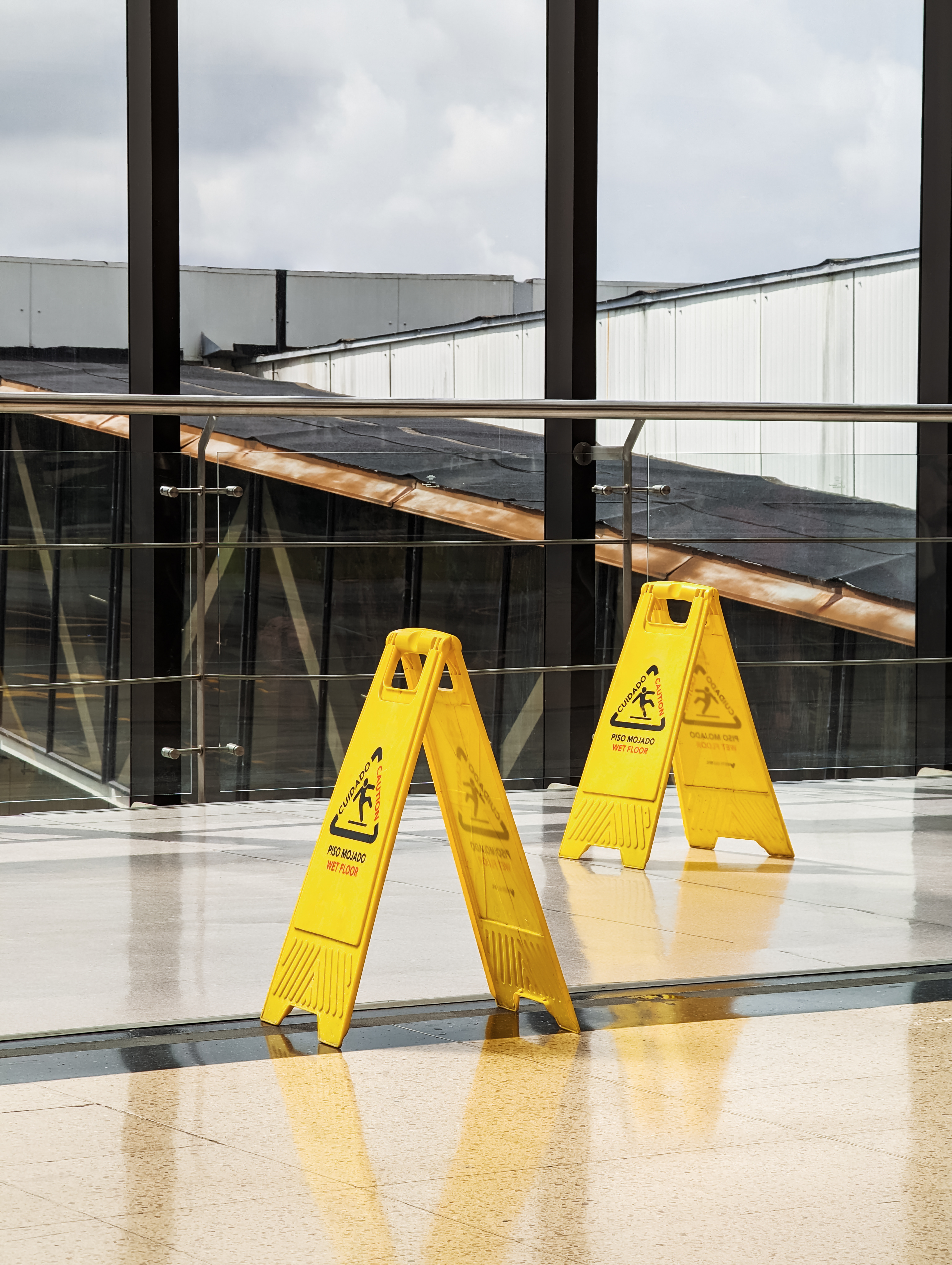
Wet floors without warning signs, cracked sidewalks, uneven pavement, broken stairs, poor lighting in stairwells — these are the conditions that send people to the emergency room every day. Retail stores, grocery chains, restaurants, and shopping centers on Peachtree Industrial and throughout the Atlanta metro are required to inspect and address these hazards. If they didn't, and you were hurt, that's a premises liability claim worth examining.
Negligent Security
If you were assaulted, shot, or attacked on someone else's property — at an apartment complex, a Buckhead club, a Midtown parking garage, or a MARTA station — and the property owner failed to provide adequate security measures, you may have a legal claim against them. Georgia's negligent security doctrine holds property owners liable when a foreseeable crime occurs because they failed to take reasonable precautions: working locks, adequate lighting, security personnel, surveillance systems. The fact that a third party committed the crime does not automatically relieve the property owner of responsibility.
Inadequate Maintenance and Structural Hazards
Broken handrails, collapsed flooring, faulty elevators, deteriorating walkways — property owners are required to inspect and maintain their buildings. When deferred maintenance causes injury, the owner's negligence is often well-documented in their own maintenance records. I know how to find that documentation and use it.
Swimming Pool and Recreational Accidents
Georgia has specific requirements for pool enclosures, depth markings, and safety equipment. Apartment pools, hotel pools, and private residential pools are all subject to premises liability law. Injuries in these settings — particularly those involving children — often involve clear violations of known safety standards.
Dog Bites and Animal Attacks
Georgia follows a modified "one bite" rule, but property owners and dog owners can be held liable when they had prior knowledge of an animal's dangerous propensities. If you were bitten or attacked on someone else's property, the circumstances of how the animal was kept and what the owner knew are central to your claim.

Why Embarrassment Shouldn't Cost You a Valid Claim
Most people who slip and fall in a store don't immediately think "lawsuit." They think about whether anyone saw them, whether they're badly hurt, and whether they're overreacting. That hesitation is normal — and it's also the reason property owners' insurance carriers often get away with paying far less than a claim is worth, or nothing at all.
If you were on the property lawfully and a hazardous condition caused your injury, the question of whether it's "really someone else's fault" is a legal question — not a gut-check question. Georgia law determines responsibility based on what the property owner knew and what they did about it, not on how you felt in the moment. You don't have to be certain you have a case to make a call. That's what the conversation is for.
Don't Accept the First Offer Without Talking to Me
When a property owner's liability insurer contacts you after an injury, their goal is to close your claim quickly and cheaply. The first offer is almost never the full value of what you're owed — and once you sign a release, you cannot go back for additional compensation even if your injuries turn out to be more serious than they initially appeared.
Before you sign anything, talk to me. The evaluation is free, there's no obligation, and understanding what your claim is actually worth costs you nothing.
Atlanta Properties Where These Claims Commonly Arise
Premises liability claims in Atlanta reflect the city's specific geography and property landscape. I've handled cases involving conditions at apartment complexes in Midtown and Decatur, retail centers across the metro, parking structures in Buckhead, and properties near high-traffic corridors throughout the city. The property types I see most often include:
- Grocery stores and big-box retailers with wet floors or obstructed aisles
- Apartment complexes with broken entry locks, inadequate lighting, or unaddressed maintenance failures
- Parking lots and parking garages with poor lighting, unmarked hazards, or absent security
- Restaurants and bars where spills, uneven flooring, or overcrowding create injury conditions
- MARTA stations and transit-adjacent properties with known maintenance and security issues
- Hotels and hospitality properties with pool hazards, broken fixtures, or negligent security protocols
- Shopping centers where property management has ignored repeated hazard reports
Case Results in Premises Liability and Property Injury
If you were injured on someone else's property in Atlanta or anywhere in Georgia, the first step is a conversation. The evaluation is free, there's no pressure, and you'll be talking directly to me — not a receptionist, not a case manager. I'll tell you honestly what I think your claim is worth and what the path forward looks like.
You can also reach clients in Savannah, Marietta, Sandy Springs, Decatur, and Duluth who have worked with me on premises liability claims across the state.
Premises Liability Questions, Answered
Can I sue if I slipped and fell at a store in Georgia?
Yes, if the store knew or should have known about the hazardous condition and failed to address it. Georgia law requires property owners to exercise ordinary care to keep their premises safe for lawful visitors. If a wet floor, uneven surface, or other dangerous condition caused your fall and the store had knowledge of it — or the condition existed long enough that they should have discovered it — you may have a valid claim.What does "constructive knowledge" mean in a Georgia slip and fall case?
Constructive knowledge means the property owner didn't have to be directly told about the hazard — it existed long enough, or was obvious enough, that a reasonable inspection would have revealed it. If a spill sat on a grocery store floor for 45 minutes before you fell, the store likely had constructive knowledge of the hazard even if no employee saw it form.What if I was attacked on someone else's property — can the property owner be held responsible?
Potentially, yes. Georgia's negligent security doctrine allows property owners to be held liable when a foreseeable crime occurs because they failed to implement reasonable security measures. If the property had a history of criminal activity and the owner did nothing to address it — no lighting, no cameras, no security personnel — and you were injured as a result, that's a claim worth evaluating.How long do I have to file a premises liability claim in Georgia?
In most cases, Georgia's statute of limitations for premises liability claims is two years from the date of the injury. Claims against government entities — including MARTA or municipal properties — involve much shorter notice deadlines, sometimes as little as six months. If you were hurt on government-owned property, contact me as soon as possible.What if I was partially at fault for my slip and fall?
Georgia follows a modified comparative fault rule. As long as you were less than 50 percent responsible for your own injury, you can still recover damages — though your recovery is reduced by your percentage of fault. Whether and how fault is allocated is a factual question that depends on the specific circumstances of your case.
Talk to a Georgia Premises Liability Attorney Who Handles Your Case Personally
If you were injured on someone else's property in Atlanta or anywhere in Georgia, the first step is a conversation. The evaluation is free, there's no pressure, and you'll be talking directly to me — not a receptionist, not a case manager. I'll tell you honestly what I think your claim is worth and what the path forward looks like.
You can also reach clients in Savannah, Marietta, Sandy Springs, Decatur, and Duluth who have worked with me on premises liability claims across the state.
